
They Investigated the Dead Woman
On January 7, 2026, ICE agent Jonathan Ross shot Renée Good three times. Once through her arm. Once through her chest. Once through her head.
1/24/20266 min read
They Investigated the Dead Woman
On January 7, 2026, ICE agent Jonathan Ross shot Renée Good three times. Once through her arm. Once through her chest. Once through her head.
Good was 37. American citizen. Veteran's widow. Mother of three. She'd just dropped her son at school. She stopped to protest a deportation raid in her neighborhood. She had whistles.
On January 23, 2026, we learned what the Department of Justice did next.
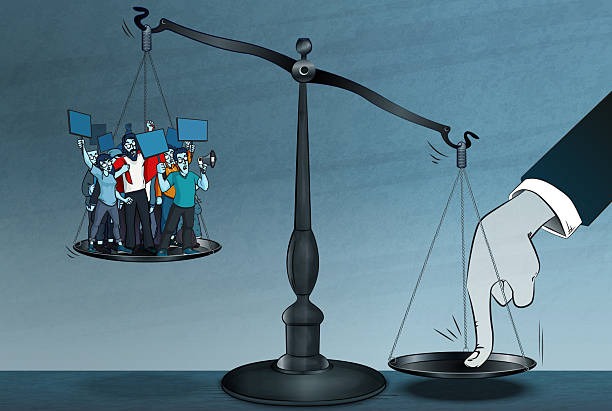
They ordered the FBI to stop investigating whether the shooting violated Good's civil rights. They ordered agents to investigate Good instead, for assault on an officer.
She had three bullets in her body. And they investigated her.
A federal judge refused the warrant. Because she was already dead. Because you cannot charge a corpse with assault. Because someone in the system still understands how laws work.
The Resignations
FBI Supervisor Tracee Mergen oversaw public corruption and civil rights cases in the Minneapolis field office. She was ordered to reclassify the investigation, to flip it from examining the officer who killed Good to examining Good herself.
She refused. She resigned.
According to CBS News, Mergen left "due to the pressure on her to reclassify/discontinue the Good investigation." An FBI source said she "would not bow to pressure."
Think about that. A career FBI supervisor decided that what she was being asked to do was so far beyond the line that quitting was the only option.
She's not the first.
On January 13, twelve federal prosecutors in Minneapolis and Washington resigned over the Justice Department's handling of this case. Twelve. Including the former acting U.S. Attorney for Minnesota and members of the Civil Rights Division.
The people whose job is to investigate civil rights violations are walking out the door because they're being told to do the opposite.
What The Video Shows
The Department of Homeland Security said Good "weaponized her vehicle" and tried to "run over" officers.
Minneapolis Mayor Jacob Frey watched the video. His response: "Having seen the video myself, I want to tell everybody directly that is bullshit."
That's the mayor of a major American city, on camera, calling the federal government's account of a killing "bullshit." Because he watched the same video everyone else can watch.
CNN's analysis found that while DHS claimed Good was "blocking" agents, multiple vehicles, including one driven by Ross himself, drove around her car before the shooting. The car they say was blocking them. That they drove around. Before shooting her.
Three gunshot wounds. Arm. Chest. Temple, exiting the other side of her skull.
ICE agents left her bleeding in her car for almost three minutes. A physician walked up and offered to help. They turned him away.
Then they investigated her.
The Standard They Refused To Follow
When a federal officer kills a civilian, the Justice Department conducts a civil rights investigation. Standard practice. Every time. This isn't controversial. This is how it works.
Unless it's this administration.
Deputy Attorney General Todd Blanche decided this case would be different. No civil rights investigation.
Harmeet Dhillon agreed. Harmeet Dhillon, head of the Civil Rights Division. The division that exists, by definition, to investigate potential civil rights violations by government actors. She decided her division would not investigate a potential civil rights violation by a government actor.
You can't make this up. The person running the Civil Rights Division decided a federal agent shooting an American citizen three times doesn't warrant a civil rights investigation.
Instead: investigate the victim.
FBI agents had drafted a warrant to examine Good's vehicle, to reconstruct the path of the bullets that killed her. They were ordered to rewrite it. Change the subject of the investigation from the officer to the dead woman.
A federal magistrate judge looked at the warrant and said no.
Congressional Oversight Authority
The House Judiciary Committee and House Homeland Security Committee have clear jurisdiction and authority to investigate this case.
What Congress Could Do:
Jim Jordan chairs the House Judiciary Committee. He has oversight jurisdiction over the Department of Justice. He has subpoena power over Todd Blanche and Harmeet Dhillon. He could compel them to testify under oath about why they ordered the investigation of a dead woman instead of the agent who killed her.
He could call Tracee Mergen and the twelve prosecutors who resigned. Put them under oath. Ask what they saw that made them quit.
Mark Green chairs the House Homeland Security Committee. He has oversight jurisdiction over DHS and ICE. He could subpoena Kristi Noem and ask why her department's public statements contradicted video evidence. He could subpoena Jonathan Ross.
What Congress Has Done:
As of this publication, no congressional committee has issued subpoenas related to the Renée Good shooting. No hearings have been scheduled. No depositions have been taken.
The oversight authority exists. It has not been exercised.
The Pattern of Non-Oversight
During the previous administration, the House Judiciary Committee issued numerous subpoenas for executive branch officials and conducted extensive oversight hearings. The same committee leadership that previously emphasized congressional oversight authority has not exercised that authority in this case.
January 6, 2021: After the Capitol attack, many members of Congress condemned the violence. Subsequent oversight efforts were limited. Impeachment proceedings occurred but did not result in conviction.
January 22, 2026: The House Judiciary Committee held a hearing with former Special Counsel Jack Smith. The hearing focused on Smith's investigative decisions rather than examination of underlying evidence. Stewart Rhodes, convicted of seditious conspiracy and pardoned by the president, attended the hearing.
January 23, 2026: The Justice Department's attempt to criminally investigate Renée Good rather than the officer who shot her became public. Congressional committees with oversight jurisdiction have not initiated investigations.
The documented pattern shows oversight authority exercised extensively during one administration and minimally exercised during another, despite similar or greater justification for oversight.
They're Using Her Death As A Threat
ICE agents in Minneapolis have, according to The Intercept, "invoked Good's death" and told civilians to "learn their lesson."
A legal observer arrested by ICE reported that an agent pepper-sprayed her car and said: "You guys gotta stop obstructing us, that's why that lesbian bitch is dead."
Read that again.
A federal agent, employed by the United States government, told an American citizen that another American citizen was killed because she didn't comply. And called the dead woman a "lesbian bitch."
This statement by a federal agent represents the use of a civilian death as an intimidation tactic against other civilians exercising First Amendment rights.
And Congress has not investigated.
Who Honored Their Oaths
Tracee Mergen. The twelve prosecutors. The federal judges rejecting legally insufficient warrants.
They understood what the oath means. When ordered to participate in something that violated it, they refused.
Who Didn't
Todd Blanche. Harmeet Dhillon. The officials who ordered the investigation of a dead woman instead of the agent who killed her.
The people who ordered the investigation are still in their jobs.
The people who refused to participate had to quit theirs.
Congressional Oversight: Authority vs. Action
Congress has clear constitutional authority to investigate executive branch conduct, including use-of-force incidents by federal agents.
The oversight tools available include:
Subpoenas for documents and testimony
Public hearings under oath
Depositions of relevant officials
Budget oversight and appropriations authority
Impeachment authority for appointed officials
As documented:
Eleven people shot by federal agents since September
Four dead
Renée Good was the fifth death during deportation operations since January 20, 2025
Zero officers charged
Zero congressional subpoenas issued related to these incidents
Zero hearings held
This represents a documented gap between constitutional oversight authority and its exercise.
The Institutional Breakdown
What happened to Renée Good illustrates multiple institutional failures:
Executive Branch: DOJ ordered investigation of victim instead of agent
Civil Rights Division: Declined to investigate potential civil rights violation
FBI Leadership: Pressured agents to reverse investigation focus
Congressional Oversight: Committees with jurisdiction have not exercised authority
Institutional checks functioned in limited ways:
Federal judge rejected warrant for insufficient legal basis
FBI supervisor and prosecutors resigned rather than comply
State officials obtained court orders and activated National Guard
But the primary constitutional check—congressional oversight—has not been exercised despite clear authority and documented cause.
The Record
Renée Good. 37. Veteran's widow. Mother of three.
Shot three times by ICE agent Jonathan Ross on January 7, 2026.
The Department of Justice attempted to investigate her for assault rather than investigate the agent who shot her.
Thirteen federal law enforcement officials resigned rather than participate in redirecting the investigation.
Congress has issued zero subpoenas.
Constitutional documentation ensures these facts remain in the permanent public record.
Support Constitutional Documentation
Fund Documentation Infrastructure →
Sources
Video analysis: CNN, Minneapolis officials, contemporaneous footage
Resignations: CBS News, The Washington Post, New York Times
DOJ Investigation: Federal court documents, CBS News reporting
ICE statements: The Intercept, eyewitness accounts in court filings
Congressional oversight: Public records of committee actions, Congressional Record
Last updated: January 25, 2026
CONSTITUTIONAL ACCOUNTABILITY NOW
CAN2026.org is an independent, nonpartisan public-accountability initiative documenting elected officials, candidates, elections, campaign finance, government actions, and constitutional oversight through verified public records. Contact: info@CAN2026.org
© 2026 CAN2026.org. All rights reserved.
Home | About | Government Record | Federal Agencies| U.S. Congress | FAQs | Funding | Contact Us | Privacy Policy Terms of Use
© 2026 Constitutional Accountability Now. All rights reserved.